News
DIGHT-Net Workshop Report: “Creating Networks in Digital Cultural Heritage: Workshop on R&D Networking for Early-Stage Researchers”
September 17, 2026
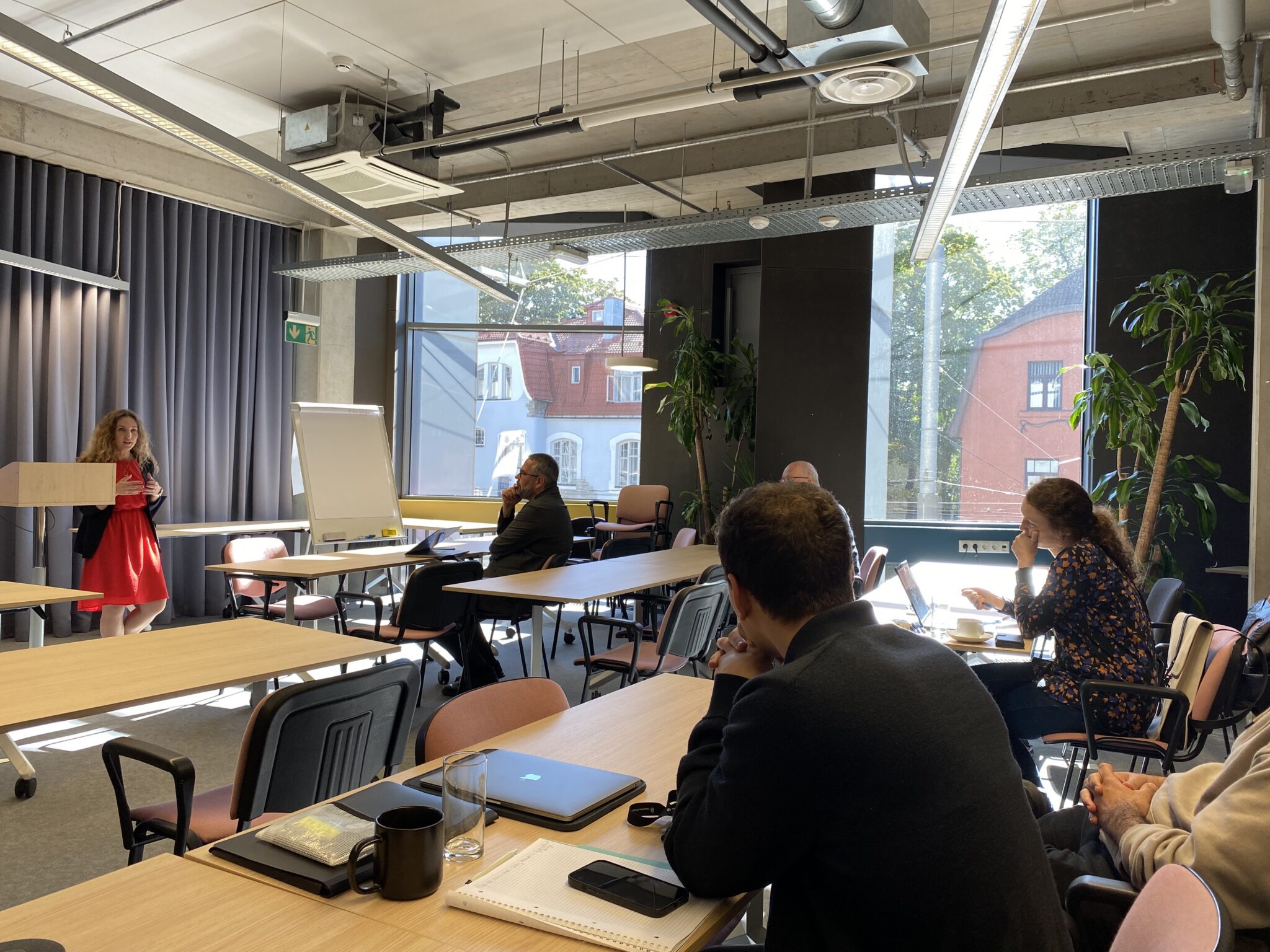
On 10–11 September 2026, Tallinn University hosted the DIGHT-Net workshop “Creating Networks in Digital Cultural Heritage: Workshop on R&D Networking for Early-Stage Researchers.” The two-day event focused on research and development networking in the field of digital cultural heritage and addressed a central challenge for early-career researchers: how to build meaningful professional connections across disciplines, institutions and sectors. The workshop was organised by Prof. Hannu Salmi, Heidi Hakkarainen and Petri Paju from the University of Turku, together with Merit Maran from Tallinn University.
Prof. Hannu Salmi (University of Turku) opened the first day by introducing the aims of the workshop and the importance of creating connections both within academia and beyond it. Xavier Frederic Dubois (Tallinn University) then presented “EU Proposal Writing: Common Pitfalls and Good Practices,” offering practical guidance on preparing competitive European research proposals. He stressed the need to write for evaluators who may not be specialists in the applicant’s exact field, to balance ambition with feasibility, and to formulate concrete and usable results rather than overpromising.
The programme continued with Lauri Keskinen (University of Turku), whose presentation “Apply for the MSCA Postdoctoral Fellowship!” introduced the Marie Skłodowska-Curie Postdoctoral Fellowship as an important funding opportunity for early-career researchers. Keskinen explained the structure and evaluation of the fellowship and offered advice on developing a strong application. Particular emphasis was placed on the programme’s international, interdisciplinary and intersectoral dimensions, as well as on the fact that career development and knowledge exchange are integral parts of an MSCA project rather than secondary additions to the research itself.
In the afternoon, Mahendra Mahey (Tallinn University) delivered the presentation “Building Bridges: Strategic Networking and Cross-Sector Collaboration in Experimenting with Digital Cultural Heritage.” Mahey discussed how researchers can make their ideas visible, communicate their work and create opportunities for dialogue and collaboration. He presented GLAM Labs as physical or online spaces that facilitate experimentation with digital and born-digital cultural heritage and reflected on the importance of openness and community-building in connecting researchers, cultural heritage professionals, artists, educators and other partners.
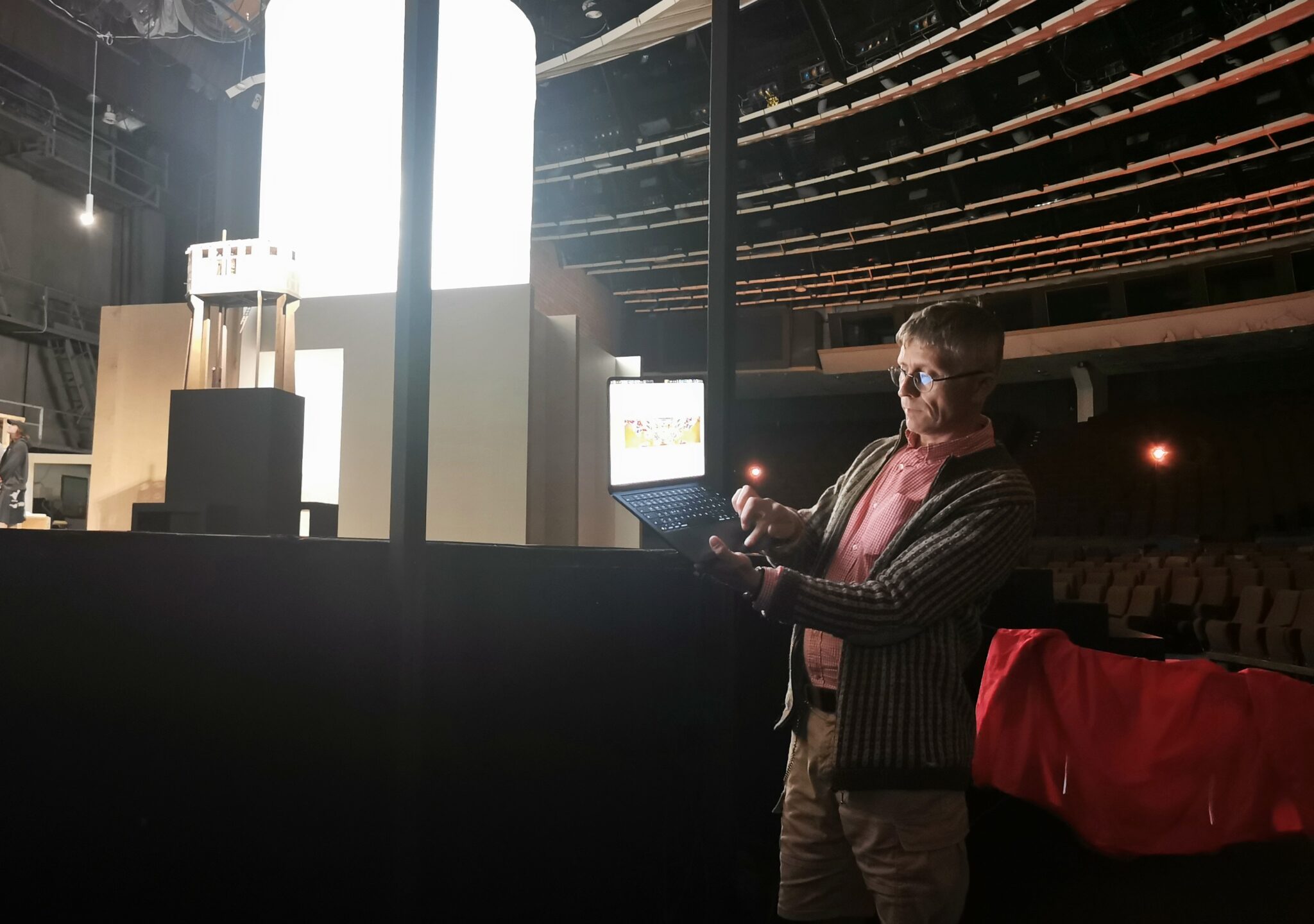
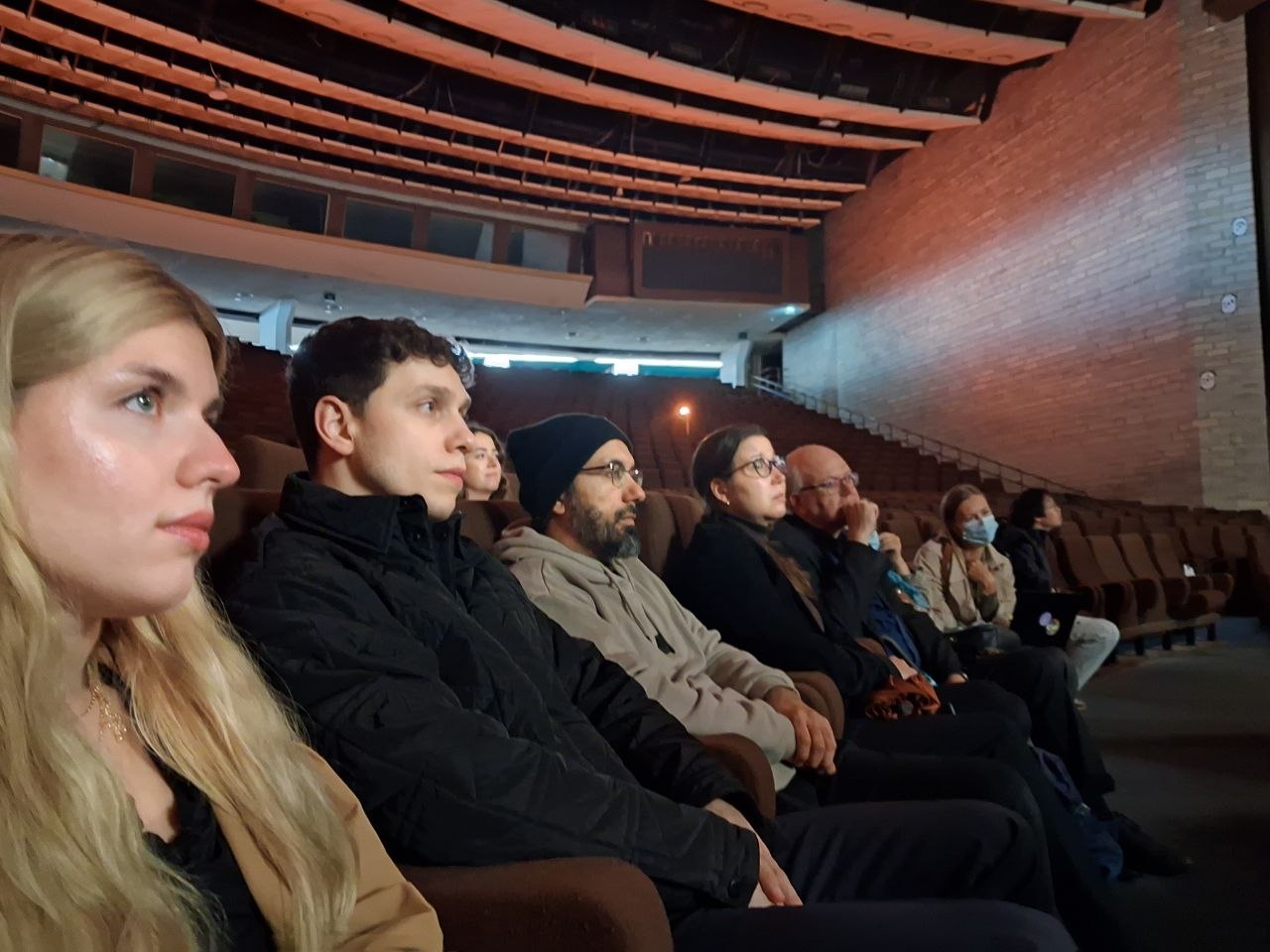
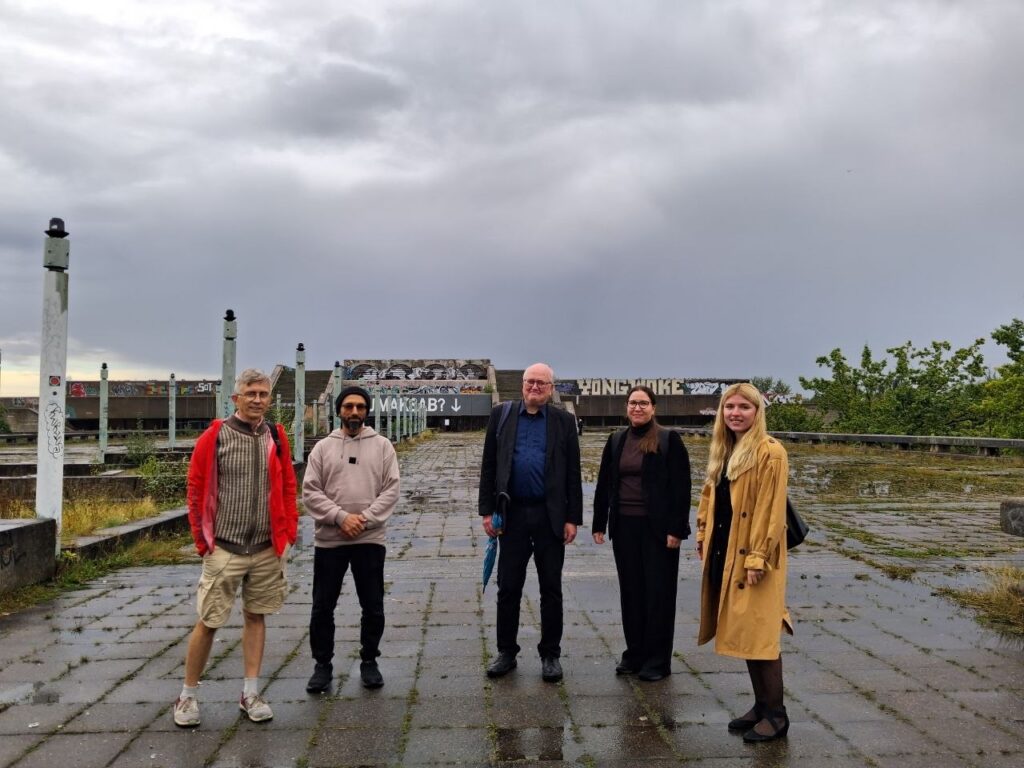
The first day concluded with a site visit to Tallinn Linnahall, led by Hembo Pagi (Archaeovision, Tallinn University). The visit offered participants the unusual opportunity to enter a major cultural heritage site that is rarely accessible to the public and to consider digital heritage practices in their material setting. Using the example of Enn Põldroos’s monumental tapestry Inimeste elu, Pagi discussed the digitisation of cultural heritage objects and the different forms of expertise and cooperation such projects require.
The second day shifted the emphasis to the work and networking possibilities of the participating early-career researchers. Piia Sandra Palm, Nadim Baker, Mariia Korniietska, Mohammed Ockba and Jekaterina Maadla gave short presentations reflecting on possibilities for connecting their own research with other research fields, sectors or communities. The presentations were followed by feedback and group discussion, allowing participants to explore potential collaborations, applications and future directions for their work.
The final lecture was given by Outi Vesakoski (University of Turku), who reflected on “Strategic Planning and Random Chance in Creating Networks in Digital Cultural and Linguistic Heritage.” Drawing on experience of moving between the fields of biology, linguistics and digital humanities, Vesakoski discussed interdisciplinary collaboration through examples including the BEDLAN working group, the Human Diversity consortium and various digital humanities resources and databases. A central message of the presentation was that successful interdisciplinarity requires time: researchers need to meet, talk informally, read across disciplinary boundaries and make a genuine effort to understand what questions, concepts and methods matter to their collaborators.
The workshop concluded with a group discussion reflecting on the key takeaways from the two days of learning, as well as on the different forms research collaboration can take and the various ways in which such collaborations can emerge and develop.