News
DIGHT-Net Report: Funding Opportunities, Strategies and Networks for Digital Cultural Heritage Studies: DIGHT-Net Training and Networking Event
November 12, 2026
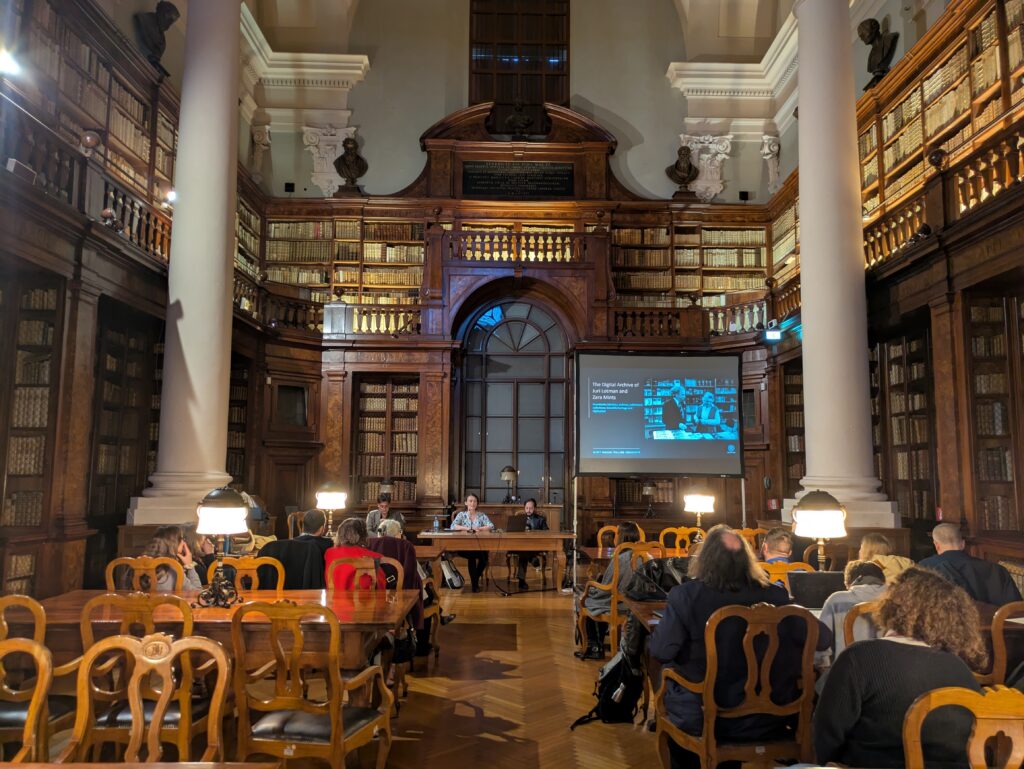
From 28 to 30 October 2026, the University of Bologna hosted the DIGHT-Net training and networking event “Funding Opportunities, Strategies and Networks for Digital Cultural Heritage Studies”. The workshop was devoted to research management: how to find the right funding opportunities for Digital Cultural Heritage Studies (DCHS) research, how to prepare competitive proposals, and how to run and sustain projects once they are funded. The event was primarily aimed at university research managers and early-career scholars, providing them with practical insights into research funding, proposal development, project management, and the long-term sustainability of research initiatives. Through presentations, discussions, workshops and two site visits, researchers and research managers from Tallinn University (TLU), the University of Amsterdam (UvA), the University of Turku (UT) and the University of Bologna (UNIBO) exchanged good practices and explored how he network’s work can continue beyond the end of the project.
The first day was devoted to funding and proposal development. Prof. Francesco Mazzucchelli (UNIBO) opened the event and chaired the morning session, welcoming the partners to Bologna. He introduced the aims of the three days: mapping the funding opportunities open to DCHS and sharing strategies to turn the network’s results into new projects. The first presentation introduced the research support services of UNIBO’s Research Division (ARIC). Alessia Franchini, Ilaria Costellati, Stefania Della Corte, Manuela Minguzzi and Paola Ragazzini (UNIBO) outlined European funding for the social sciences and humanities, with a focus on Horizon Europe Cluster 2. They explained how research management services support applicants before submission, from preliminary meetings and the review of proposal sections to budgets, ethics and final administrative checks. They also stressed that a good idea is not enough to write a good project: ethics, security, open access and dual-use rules must be addressed from the start. Michael Williams (UvA) then presented how research management and grant support are organised at faculty level at the University of Amsterdam. He highlighted as important in grant proposal writing to build on existing projects and expertise internal to the university, such as the technical skills developed at the UvA’s Humanities Labs.
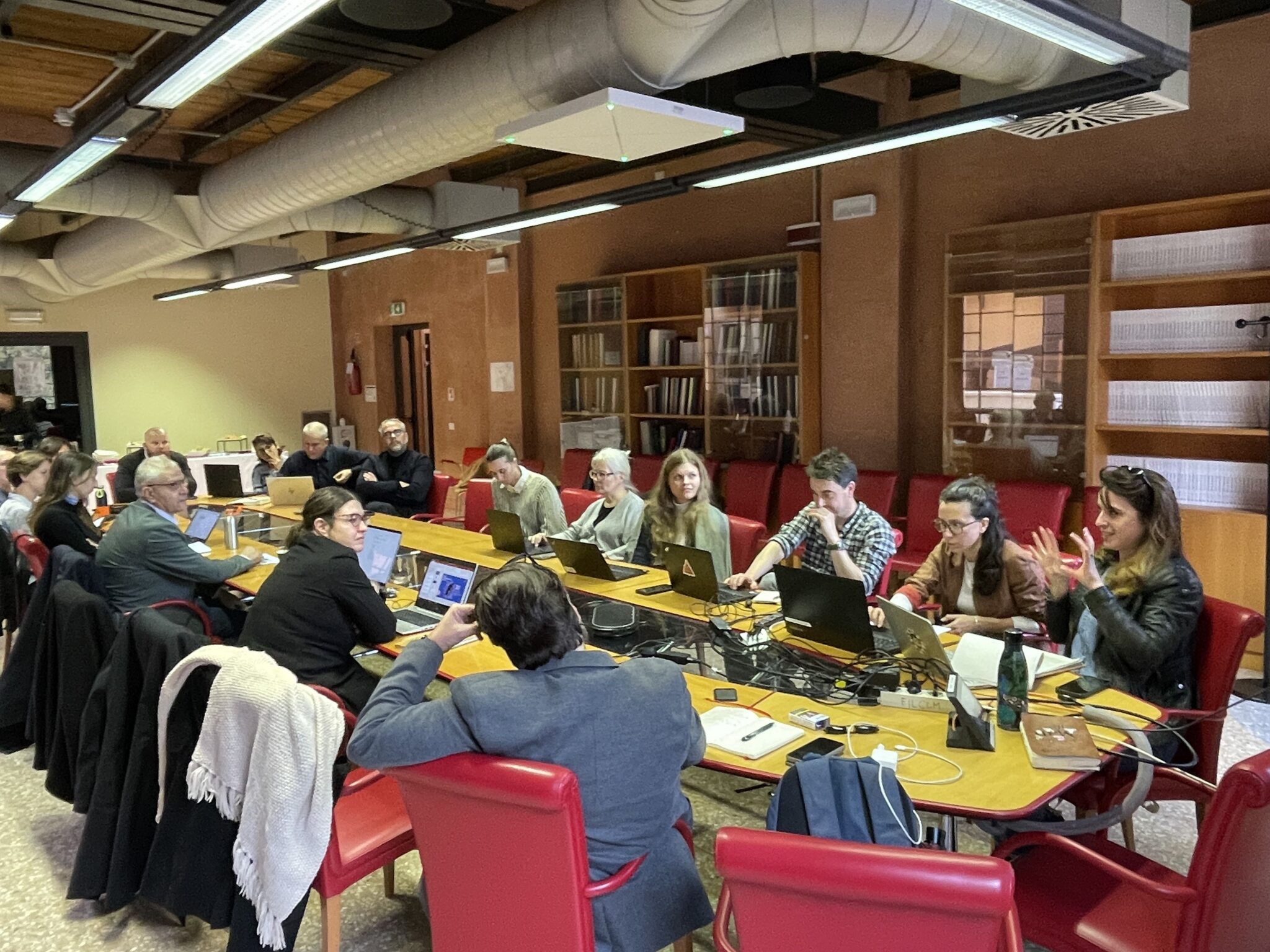
In the afternoon, Prof. Ihab Saloul (UvA) chaired an internal proposal preparation workshop for the DIGHT-Net team, with Sara Colombo, Ilaria Costellati, Stefania Della Corte and Manuela Minguzzi (UNIBO). Based on their expert analysis of current calls from Horizon Europe and beyond, the group assessed which calls best fit the network and discussed what makes a proposal competitive: an impact-driven approach, a clearly defined research gap, and a consortium built around the problem rather than around existing partnerships.
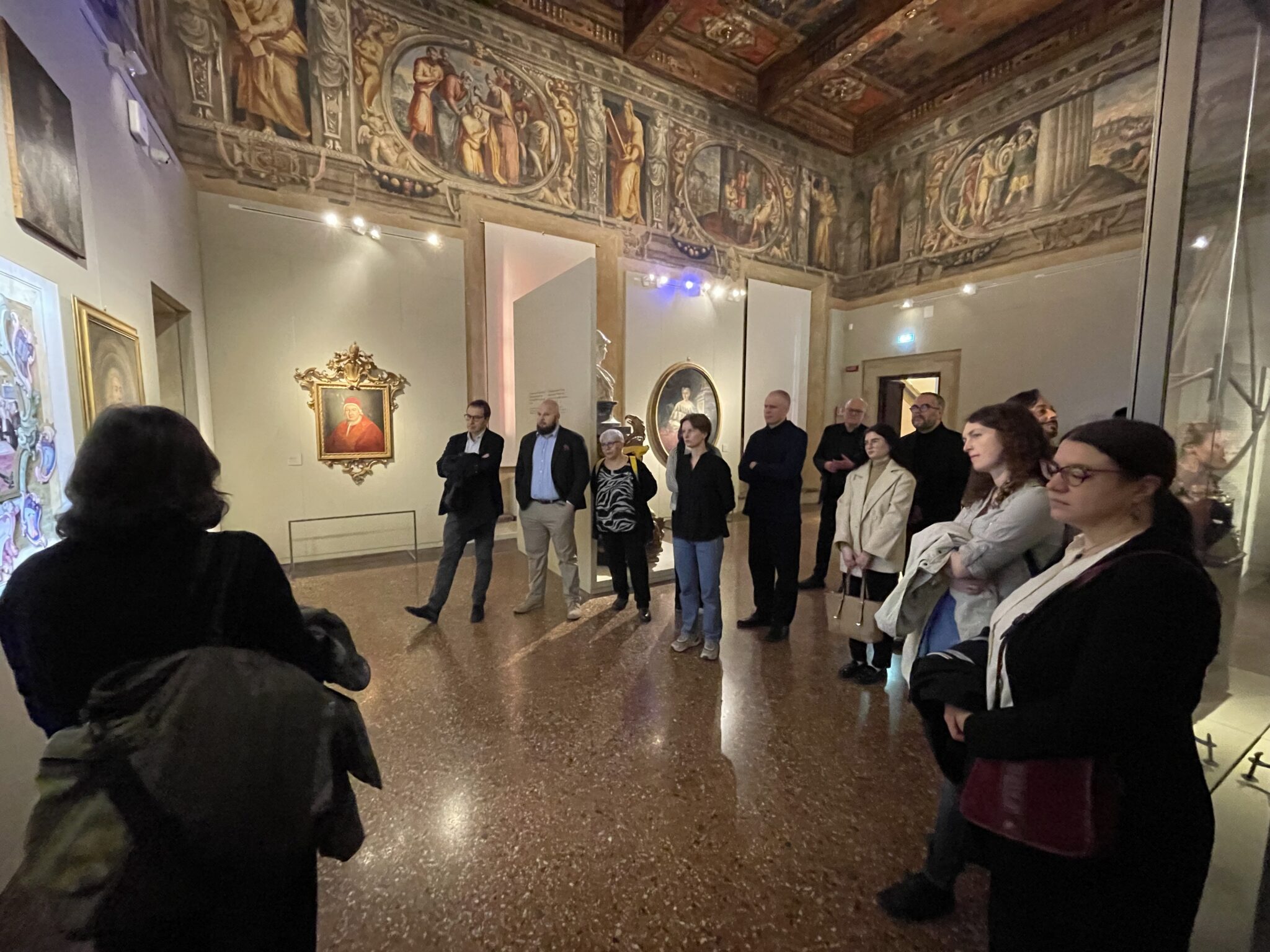
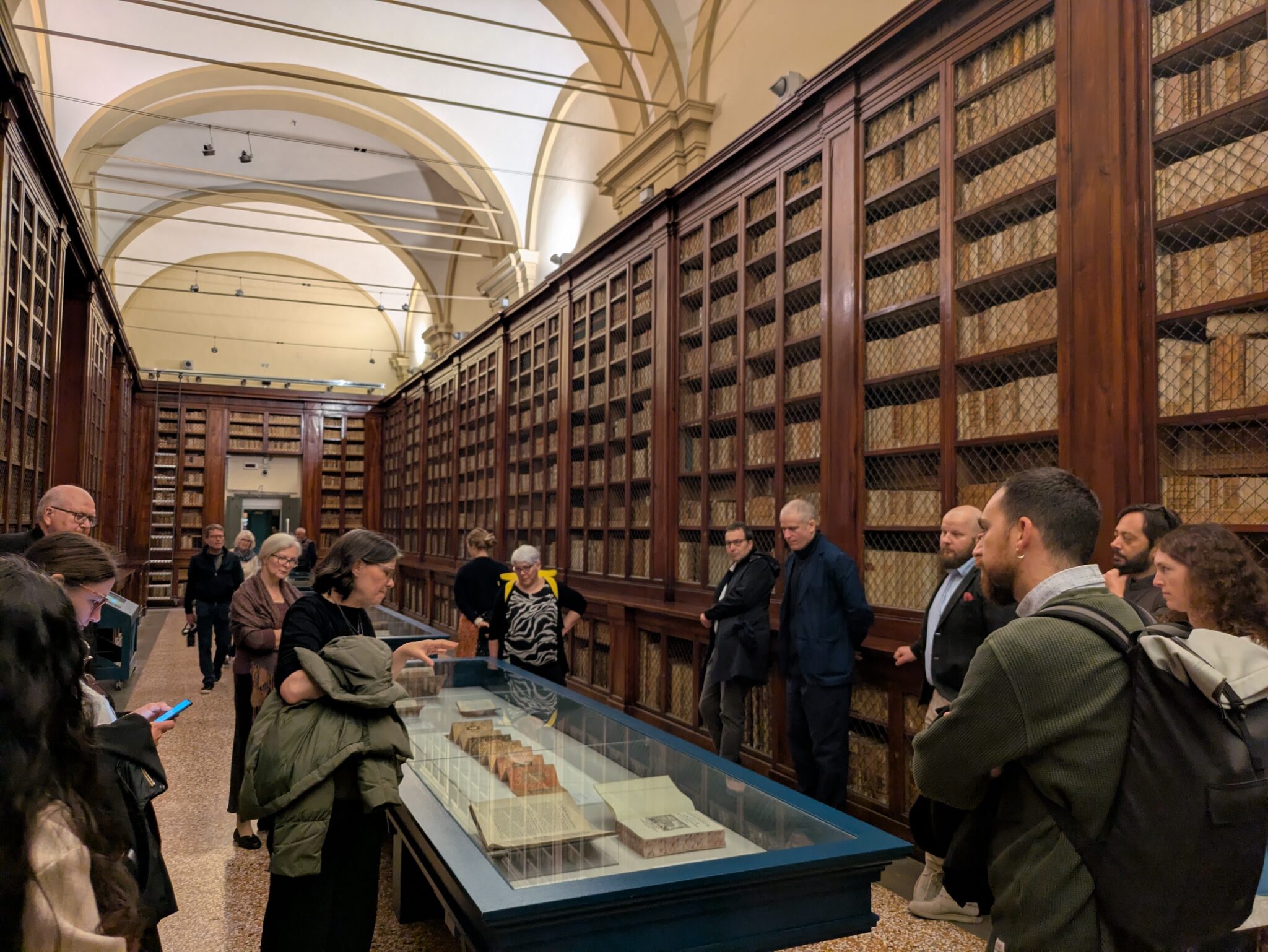
Building on the discussions of funding opportunities and proposal development, the second day shifted attention to the practical implementation of research projects, highlighting the role of institutional infrastructures, interdisciplinary collaboration, and sustainable research management. The programme opened with a visit to the Ulisse Aldrovandi collection at the Museum of Palazzo Poggi and to the Lecture Hall IV of the University Library, guided by the expert voice of Prof. Monica Azzolini (UNIBO). Then, Prof. Martina Caroli (UNIBO, AlmaDL) presented her work in the digitisation of manuscripts via the presentation Digital Ulysses, which retraced more than twenty years of digitisation of Aldrovandi’s legacy, from the herbarium and watercolour plates in 2004 to his manuscripts and personal library today. She also outlined the policies, standards and planning steps UNIBO applies to preserve both its cultural heritage and its digital copies.
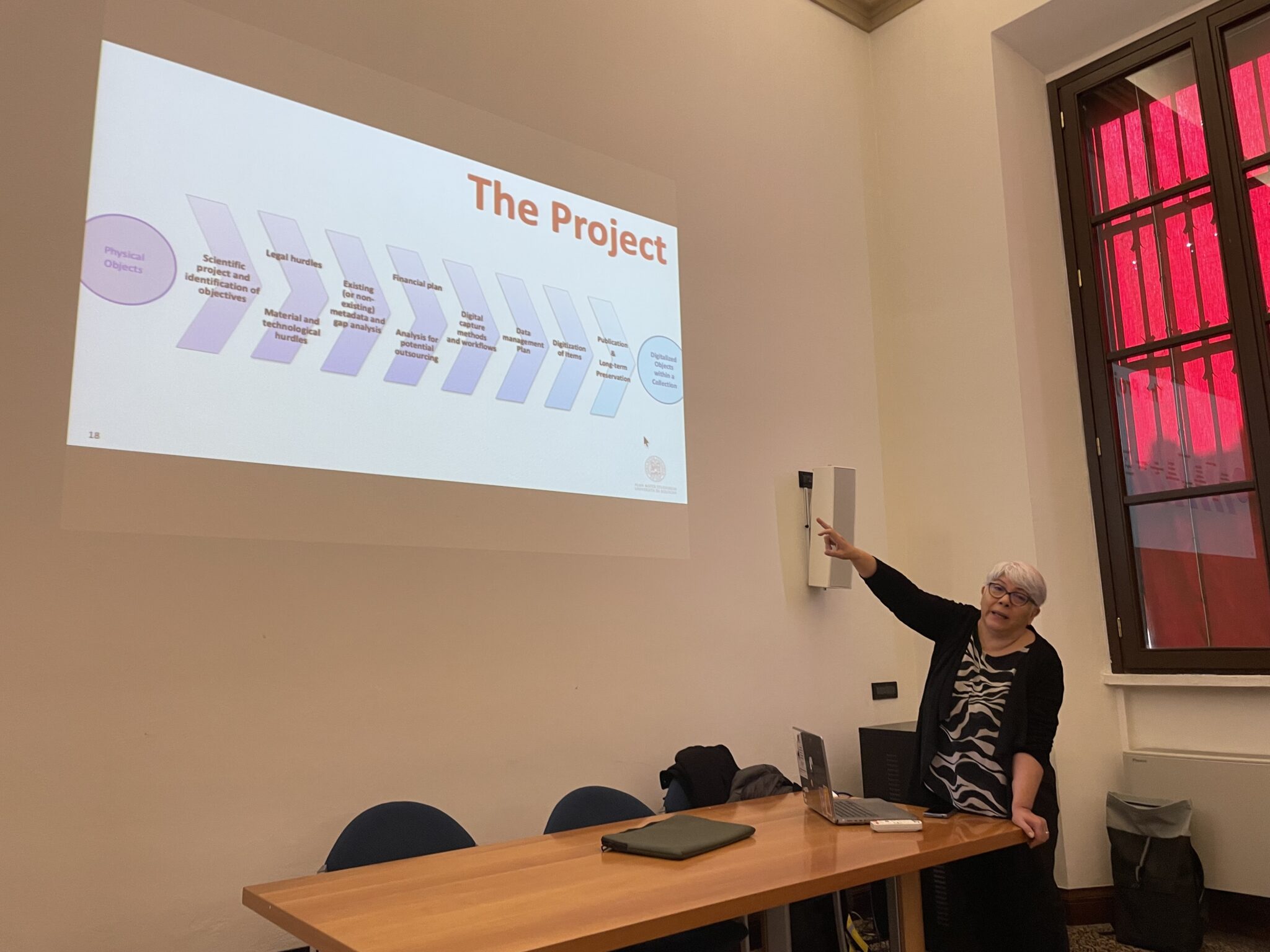
In the afternoon, Prof. Hannu Salmi (University of Turku) chaired the first session of presentations of successful projects and best practices. Sara Colombo (UNIBO), research manager at the Department of Philosophy (FILO), opened the session by presenting managerial data on the projects funded at the department over the last five years. Prof. Lucia Raggetti (UNIBO) presented USEFOOL, an ERC Consolidator Grant on the knowledge and manipulation of nature between usefulness and deception in the Arabo-Islamic tradition. She described the project’s aim of building an archive of natural knowledge as a shared ground between technical and scientific knowledge, and reflected on the organisational gaps between writing a proposal and implementing it. Prof. Monica Azzolini (UNIBO) presented COLUMN (Colonial Legacies of Universities: Materialities and New Collaborations), a Horizon Europe project running from 2025 to 2029. Focusing on botanical gardens and herbaria, she showed how these collections are both sources on biodiversity and records of ecosystems transformed by colonial bioprospecting, and discussed the cost of preserving them as opposed to displaying them. Carlo Andrea Tassinari (UNIBO) closed the first half of the session with his experience of VAMP (Voices from the Anthropocene. Maps and Frameworks for Ecological Conflicts), an MSCA Postdoctoral Fellowship with secondments in France and an outgoing phase in Brazil. Tassinari shared four takeaways for good proposal writing: choosing the host institution carefully, looking for the right partner rather than the perfect one, mastering the proposal format, and seeking qualified readers from the very beginning. After the coffee break, Prof. Marek Tamm (TLU) chaired the second half of the session, where Christian Olesen (UvA) presented CLARIAH’s teaching and training programme, addressing a question central to the network: how to keep a project alive after its funding ends. Drawing on the Dutch programme Images for the Future (2007–2014), he showed how tools were co-developed with film scholars through pilot projects, and how training can enter existing curricula, from small integrated modules to the CLARIAH fellowships and summer school. Finally, Alice Bordignon and Francesca Fabbri (UNIBO) presented three years of work in Spoke 4 of CHANGES (Cultural Heritage Active Innovation for Sustainable Society), funded by Next Generation EU through Italy’s National Recovery and Resilience Plan. They showed how nine very different museums and collections co-designed shared prototypes, and how FAIR data and documented 3D workflows were applied, for instance in digitising 301 objects from the Aldrovandi exhibition at Palazzo Poggi.
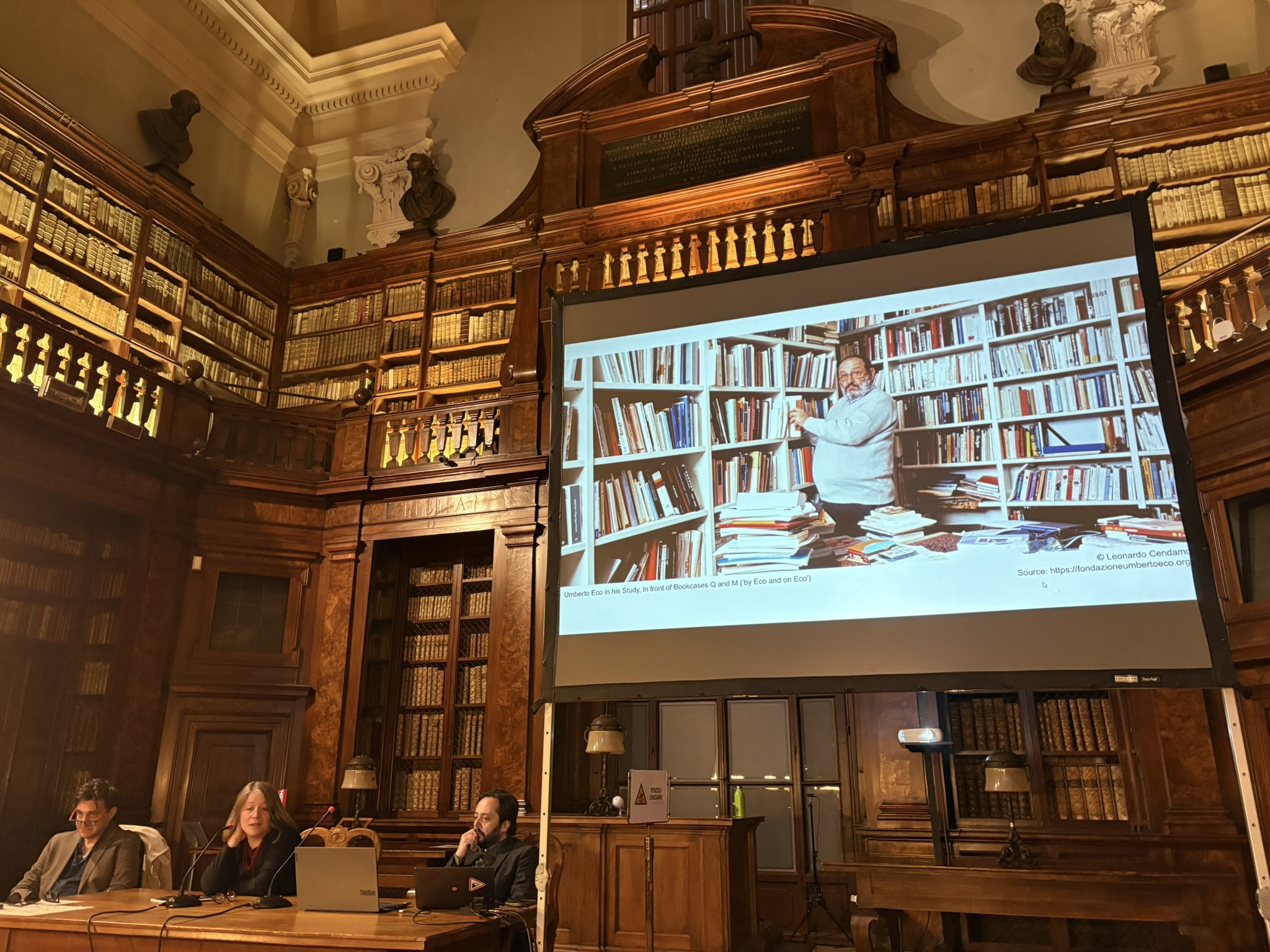
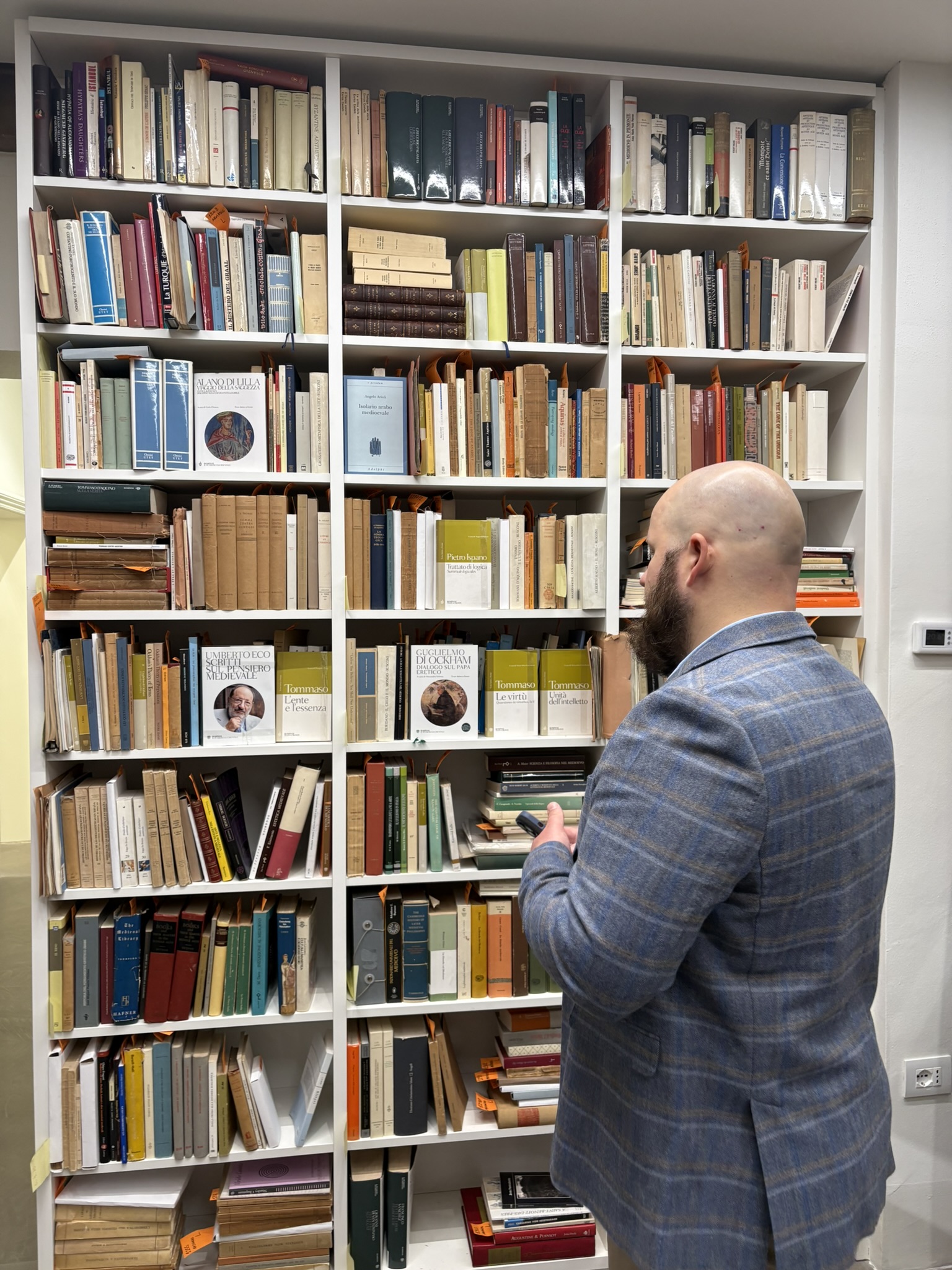
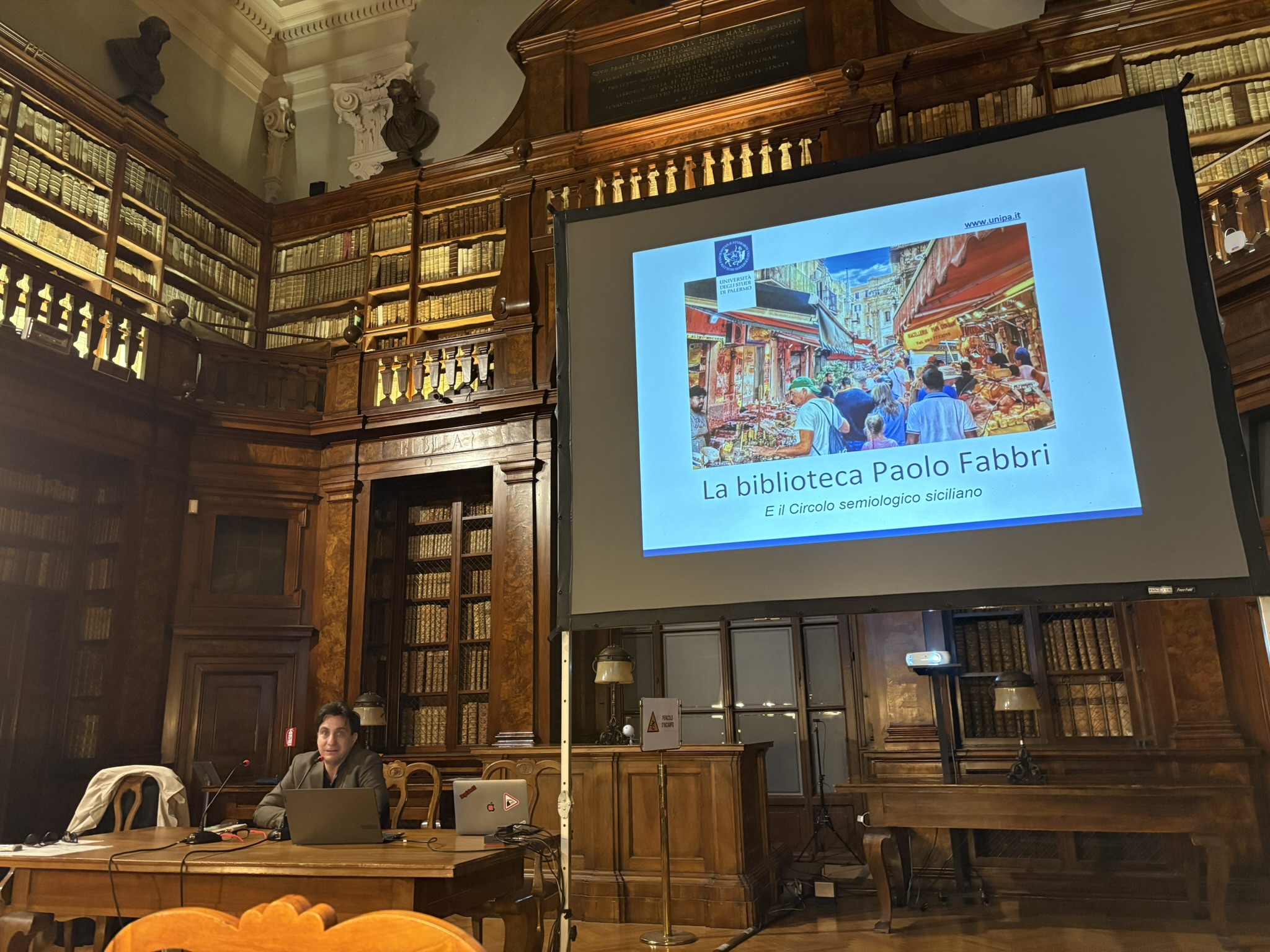
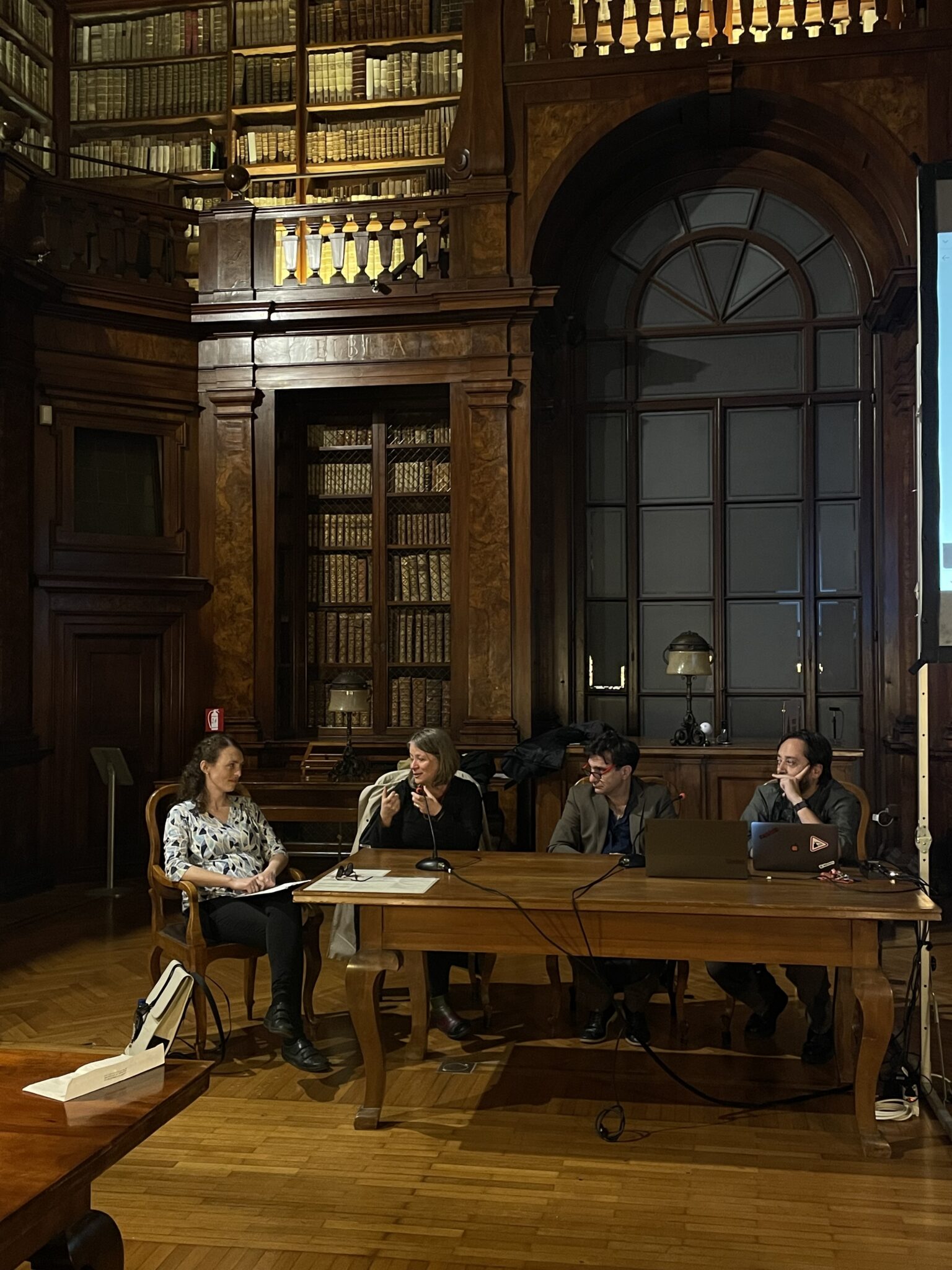
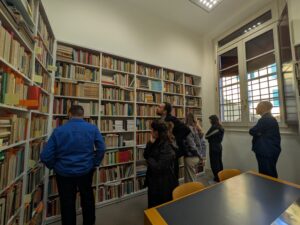 The third and final day was dedicated to collections, digitisation and heritage practices. In the morning, participants visited the Umberto Eco Library, where recently more than 35.000 books found a new location and purpose. The Library hosts the entire personal library collection of Umberto Eco. Ilaria Bertolotti (University Library of Bologna) welcomed the DIGHT-Net team and explained how the different sections of the Library are organised and which modalities of access to the personal heritage were put in place. In the afternoon, at the Aula Magna of the University Library of Bologna, Francesco Mazzucchelli chaired a roundtable on libraries, archives and collections, and on scientific heritage and its digitisation, bringing together the personal libraries and archives of three semioticians: Umberto Eco, Juri Lotman and Paolo Fabbri. Francesca Tancini (UNIBO) presented the Umberto Eco Library and her work as scientific consultant and project manager of the displacement of the books. The point was not only moving, but translating a research device while both preserving Eco’s architecture of knowledge and adapting it to a new space. Merit Maran (TLU) presented the Juri Lotman Semiotics Repository and the digitisation of its collections. Research on how to capitalise on this digital heritage is ongoing, and diverse design solutions are being tested in order to grant accessibility to both Lotman and Mint’s archives. Prof. Francesco Mangiapane (University of Palermo) presented the Paolo Fabbri Library and the wide range of multimedia resources that the Library makes accessible. The day ended with the screening of Pensiero in movimento (2026), a documentary by Davide Ferrario that shows the process of the displacement of the personal Library of Umberto Eco from the family home to its new location.
Across the three days, the event highlighted several key lessons for developing and sustaining research in digital cultural heritage: the importance of identifying suitable funding opportunities, building competitive and interdisciplinary research consortia, integrating research management expertise from the earliest stages of project development, and ensuring the long-term sustainability of research infrastructures and digital resources. The event also demonstrated the value of close collaboration between researchers, research managers, and cultural heritage institutions. For DIGHT-Net, the discussions provided an opportunity to reflect on how the expertise, partnerships, and infrastructures developed within the network can support future collaborative initiatives beyond the project’s funding period. Informal exchanges during shared lunches and dinners further strengthened professional connections among participants. We thank all speakers and participants, ARIC, the Museum of Palazzo Poggi, the University Library, and the Umberto Eco Library for their contributions to a productive three-day event.
Marco Giacomazzi